Winter Tires for Your Chevrolet Silverado or GMC Sierra: A Saskatchewan Buyer’s Guide
A full-size pickup feels unstoppable on a dry summer road. Then the first hard freeze arrives, the highway turns glossy, and that same truck feels less sure of itself. The tires make the difference, and they are one of the easiest parts of winter prep to get right. This guide walks Chevrolet Silverado and GMC […]
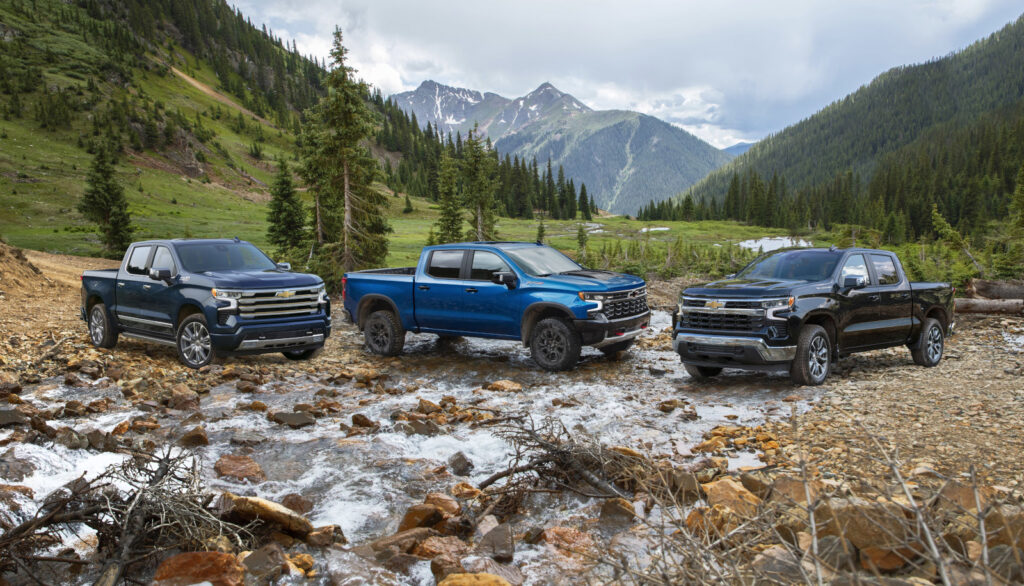
A full-size pickup feels unstoppable on a dry summer road. Then the first hard freeze arrives, the highway turns glossy, and that same truck feels less sure of itself. The tires make the difference, and they are one of the easiest parts of winter prep to get right.
This guide walks Chevrolet Silverado and GMC Sierra owners through the basics of picking winter tires. You will learn where to find the right size, why load rating matters on a truck, and a few simple habits that keep your tires ready through a long Saskatchewan winter.
Why Saskatchewan Winters Call for Real Winter Tires
Saskatchewan winters are long and cold, and the open highways between towns can turn icy fast. Summer and all-season tires get stiff once the air turns cold. A stiff tire has a harder time holding onto the road.
Winter tires use a rubber compound that stays flexible in the cold. Their tread also has many small slits, called sipes, that add extra biting edges for snow and ice. They do their best work once temperatures stay around 7°C or colder.
Before you buy, look for the three-peak mountain and snowflake symbol on the sidewall. It marks a tire that has passed a severe-snow performance standard. An M+S (mud and snow) marking is a different, less strict label, so do not treat the two as equal.
Start With the Door Jamb Placard
Open the driver’s door and look for the tire placard on the door jamb. This label lists the correct tire size, load index and cold inflation pressure for your Silverado or Sierra. It is the best starting point for any tire purchase.
Trucks in the same lineup can need different tires. Cab style, box length, wheel size and how the truck was built all play a part. Reading the placard on your own truck takes the guesswork out of shopping.
LT Tires and the Right Load Rating
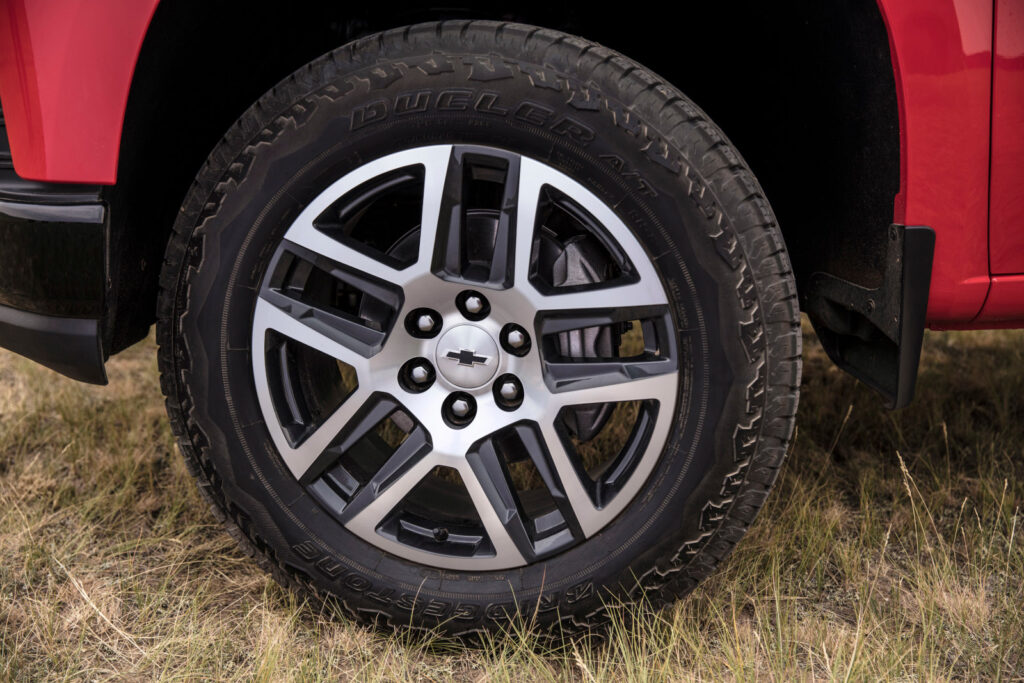
Many pickups use LT (light truck) tires. These are built to carry heavier loads than regular passenger tires. If your truck came with LT tires, your winter set should match the load rating your truck needs.
This matters most for working trucks. If you tow a trailer, haul gear to the lake or fill the box with firewood, a tire with too low a load rating is the wrong fit. Match the placard and your winter tires will be up to the job.
Why an Empty Pickup Slips
A pickup carries much of its weight up front, where the engine sits. With an empty box, the rear axle is light. Less weight on the rear tires means less traction, so the back end can spin or step out on snow and ice.
Winter tires give those light rear tires more grip to work with. That helps you pull away from a stop sign without spinning and stay steady on a slick, open stretch of highway.
The 4WD Myth
Four-wheel drive is a great tool for getting a truck moving in deep snow. It sends power to all four wheels so you can pull away. Still, 4WD does not help you stop, and it does not help you turn. Your tires handle both jobs.
A 4WD Silverado or Sierra on summer or all-season tires can still slide through an icy corner or past a stop line. Add winter tires and the grip is there for every part of the drive. A few simple rules help:
- Install four matching winter tires, never just two.
- Keep the same size and load rating on all four corners.
- Use the sizes listed on your door jamb placard.
A Second Set of Wheels Saves Time
Many truck owners mount their winter tires on a second set of wheels. This makes the fall and spring swap much faster, since the tires stay on their own rims all year. It also protects your original wheels from extra wear.
With a dedicated winter set ready to go, the seasonal change becomes a quick visit. You can book it as soon as the cold settles in, without waiting for tires to be removed from one set of rims and mounted on another.
Simple Habits for a Long Winter
Good tires need a little care to give their best. These habits take only a few minutes:
- Check tire pressure once a month, when the tires are cold.
- Set pressure to the number on the driver’s door jamb placard.
- Store your off-season tires in a cool, dry place out of sunlight.
Cold air lowers tire pressure. A tire set correctly in October can run low by January, so the monthly check matters more in winter. Do it before your first drive of the day, when the tires have not warmed up yet.
When spring arrives and your other tires go back on, give the winter set a proper home. A cool, dry spot away from sunlight helps the tires stay in good shape for next season.
At a Glance
| Topic | What to Know |
| Best temperature range | Around 7°C and colder |
| Symbol to look for | Three-peak mountain and snowflake |
| Size, load index and pressure | Driver’s door jamb placard |
| Tire type | Match the load rating your truck needs |
| How many tires | Four matching winter tires |
| 4WD | Helps you get moving; tires help you stop and turn |
| Pressure checks | Monthly, with cold tires |
| Off-season storage | Cool, dry and out of sunlight |
Get Your Silverado or Sierra Winter-Ready at Bridges Chevrolet Buick GMC
Choosing winter tires for a pickup is easier with a second set of eyes. The service team at Bridges Chevrolet Buick GMC in North Battleford can read your placard with you, ask how you use your truck and help match a winter set. Drop by whenever it suits you.